Products / Tinted Glass
Tinted Glass
Tinted glass is coloured through its body during manufacture. The tint reduces the amount of visible light and solar energy transmitted through the glass and changes its appearance. It is commonly used in facades and windows exposed to strong sun.
Product Overview
Body-tinted glass is float glass with small amounts of metal oxides added to the glass batch, producing colours such as grey, bronze, green or blue. The colour runs through the full thickness of the glass, so thicker glass of the same tint appears darker and transmits less light.
Tinted glass absorbs part of the incoming solar energy. This reduces glare and the solar heat passing into the building, but the glass itself becomes warmer as a result. The actual effect depends on tint colour, thickness and how the glass is used, for example on its own or as the outer pane of a double glazed unit.
Tinted glass differs from reflective glass, which uses a surface coating to reflect light and heat.
How Tinted Glass Is Produced and Processed
General process
The tint is added to the glass batch during float glass manufacture. It is not applied to the surface afterwards.
What RARA does
RARA supplies tinted glass and can cut, edge-process, drill and toughen it to project requirements. Available colours and thicknesses should be confirmed with our team.
Characteristics
- Appearance — Coloured view through the glass and a coloured exterior appearance.
- Glare — Reduces brightness and glare compared with clear glass of the same thickness.
- Solar considerations — Reduces solar energy transmitted into the space; the amount depends on colour and thickness.
- Privacy limitations — Tint alone does not guarantee privacy. When the interior is brighter than the exterior, for example at night with lights on, the interior can be clearly visible from outside.
- Thermal stress — Tinted glass absorbs heat. Large or partly shaded panes may need heat treatment; this should be assessed for the installation.
- Colour consistency — Colour can vary slightly between production batches. Order related panels together and keep records for future replacements.
Applications
- Facades and curtain walling — Reducing glare and solar gain on exposed elevations.
- Windows in high-sun exposure — Comfort in sun-facing rooms.
- Shopfronts and commercial buildings — Exterior appearance and glare control.
- Outer pane of a double glazed unit — Combining solar control with insulated glazing.
- Interior partitions — Where a tinted appearance is wanted for design reasons.
Specification Considerations
Information to have ready when requesting a quotation:
- Tint colour
- Thickness
- Dimensions and shape
- Whether toughening or heat treatment is needed
- Single glazing or use within a DGU
- Edge finish, holes and cut-outs
- Quantity, including allowance for future replacements
If the application depends on privacy, discuss lighting conditions with our team; a frosted or other privacy finish may be needed in addition to tint.
RARA Processing and Supply
Processes relevant to tinted glass from RARA’s processing capability:
- Toughening
- CNC glass cutting and processing
- Edge polishing
- Drilling, cut-outs and notches
- Installation of glass facades, shopfront glazing and windows
Related Products
- Double Glazed Units (DGU) — with tinted glass as the outer pane
- Toughened Glass — where tinted panes need heat treatment
- Float Glass Sheets — clear base glass for comparison
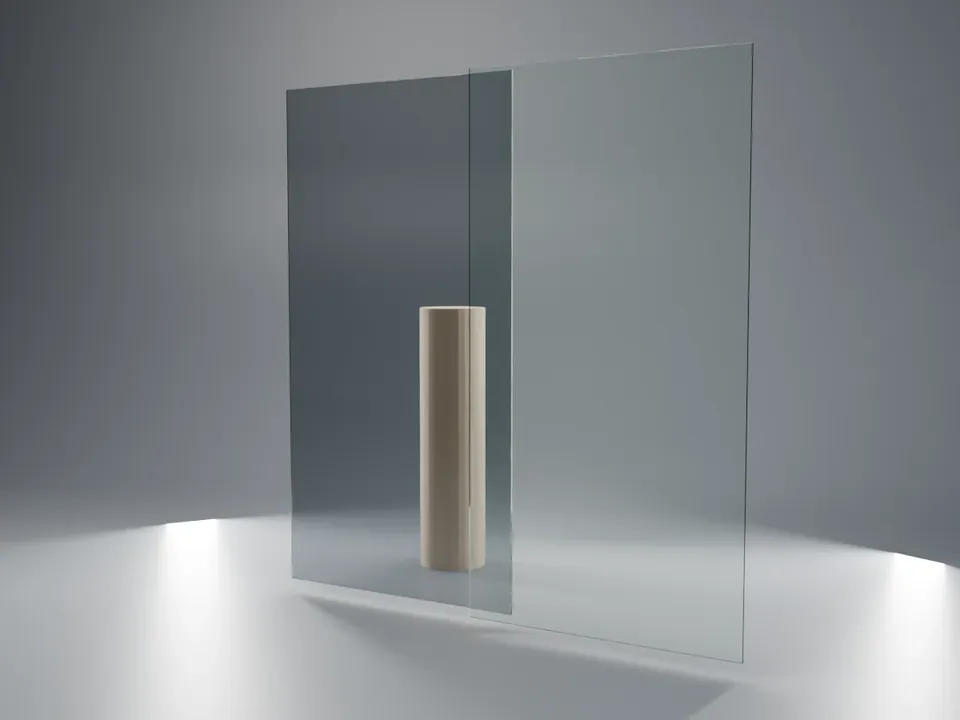
Product images on this page are computer-generated illustrations for reference. They are not photographs of RARA projects, facilities or installations.
Discuss Your Tinted Glass Requirement
Share your project dimensions, quantity and application requirements with our team. RARA can review the specification and discuss the appropriate glass solution.