
Products / Laminated Glass
Laminated Glass
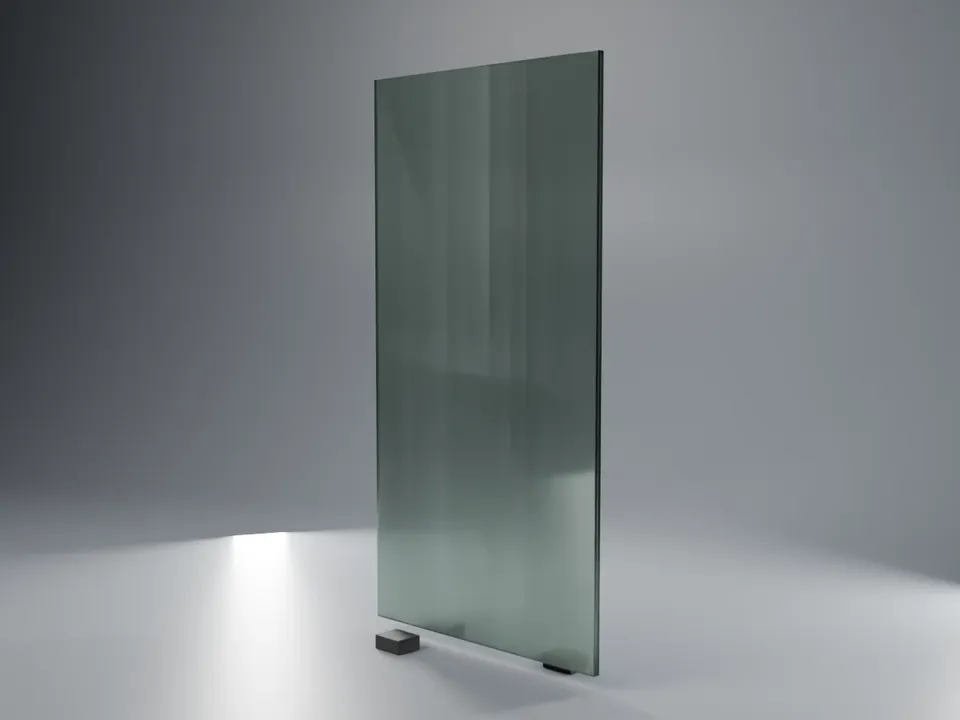
Laminated glass consists of two or more glass plies permanently bonded together with a plastic interlayer. If the glass breaks, the fragments tend to stay attached to the interlayer, which helps the panel remain in place. It is used where glass retention after breakage matters, such as overhead glazing, balustrades and facades.
Product Overview
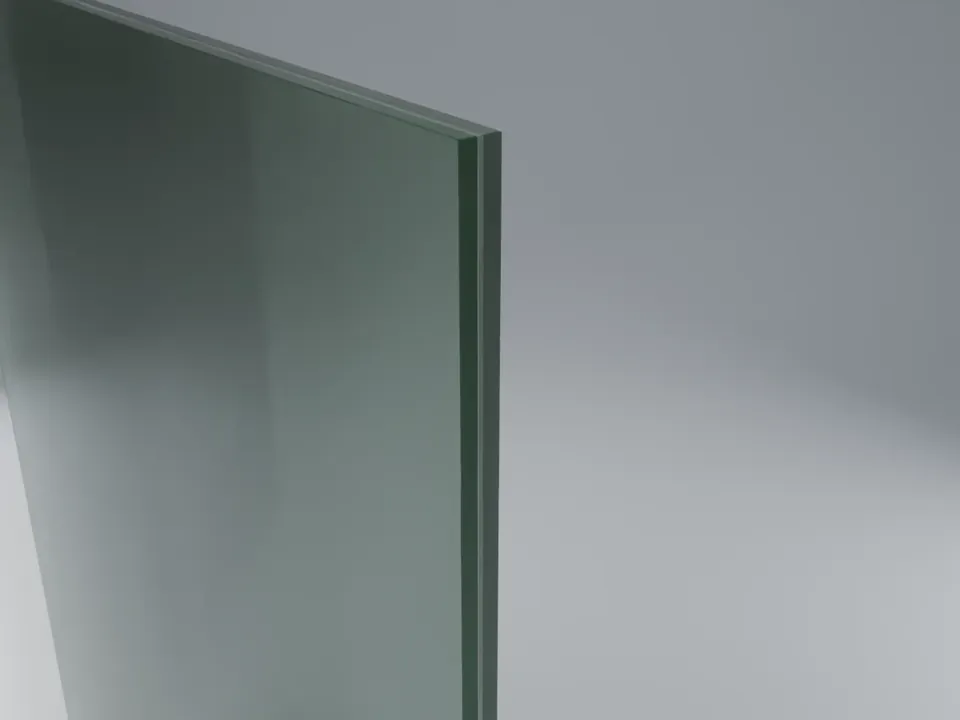
A laminated panel is built up from glass plies and one or more interlayers. PVB (polyvinyl butyral) is a common interlayer; other interlayer types are used for specific requirements. The plies can be annealed, heat-strengthened or toughened glass, and can differ in thickness and type.
The interlayer is what distinguishes laminated glass from a single pane of toughened glass. Toughened glass is stronger but breaks into small fragments that fall out of the frame. Laminated glass is designed so that broken glass stays bonded to the interlayer.
Performance depends on the composition: the glass type of each ply, ply thicknesses, and the interlayer type and thickness. Two laminated panels of the same overall thickness can behave differently, so laminated glass is specified by its full make-up rather than by total thickness alone.
How Laminated Glass Is Made
General process
Cleaned glass plies are assembled with the interlayer between them and bonded under heat and pressure, typically a pre-pressing stage followed by an autoclave cycle. The result is an optically clear, permanently bonded panel.
What RARA does
RARA supplies laminated glass to the composition agreed for each project. Where toughened plies are required, all cutting, drilling and edge work is completed on each ply before toughening and lamination. Confirm the available compositions with our team.
Characteristics
- Retention after breakage — Fragments tend to stay bonded to the interlayer. How long a broken panel stays in place depends on its composition, the fixing method and the load on it.
- Safety and security — Harder to penetrate than a single pane. Specific security performance depends on the composition and must be specified for the project.
- Acoustic — The interlayer can reduce sound transmission. Acoustic interlayers are available for this purpose; performance depends on the full composition.
- UV — Common PVB interlayers absorb most ultraviolet radiation, depending on interlayer type.
- Edges — Exposed edges should be protected from prolonged moisture, which can affect some interlayers at the edge.
- Processing — Holes and shaping are carried out on the individual plies before lamination.
Applications
- Skylights, canopies and overhead glazing — Broken glass is retained by the interlayer rather than falling.
- Glass railings and balustrades — The panel can remain in place if one ply breaks; barrier design should be confirmed by the project engineer.
- Facades and windows — Where safety, security or acoustic requirements apply.
- Staircase glass — Balustrade and guarding panels on stairs.
- Shopfront glazing — Added resistance to penetration.
- Partitions requiring acoustic separation — Using an acoustic interlayer where specified.
Specification Considerations
Information to have ready when requesting a quotation:
- Number of plies and the thickness of each
- Glass type of each ply: annealed, heat-strengthened or toughened
- Interlayer type and thickness, or the performance requirement it must meet
- Overall dimensions and shape
- Holes and cut-outs, aligned through all plies
- Edge finish and whether edges will be exposed
- Application and fixing method
- Quantity
For barrier, overhead and structural applications, the composition should be designed or confirmed by the project engineer.
RARA Processing and Supply
RARA processing relevant to laminated glass, and related installation services:
- Toughening of glass
- CNC glass cutting and processing
- Edge polishing
- Drilling, cut-outs and notches
- Installation of glass railings, balustrades, staircase glass, skylights and canopies
Related Products
- Toughened Glass — commonly used for the individual plies
- Double Glazed Units (DGU) — which can include a laminated pane
- Tinted Glass — for laminated panels with solar control
Product images on this page are computer-generated illustrations for reference. They are not photographs of RARA projects, facilities or installations.
Discuss Your Laminated Glass Requirement
Share your project dimensions, quantity and application requirements with our team. RARA can review the specification and discuss the appropriate glass solution.