
Products / Double Glazed Units (DGU)
Double Glazed Units (DGU)
A double glazed unit (DGU), also called an insulated glass unit, is made of two glass panes held apart by a spacer and sealed around the entire perimeter. The sealed cavity between the panes reduces heat transfer through the glazing and can reduce noise compared with a single pane.
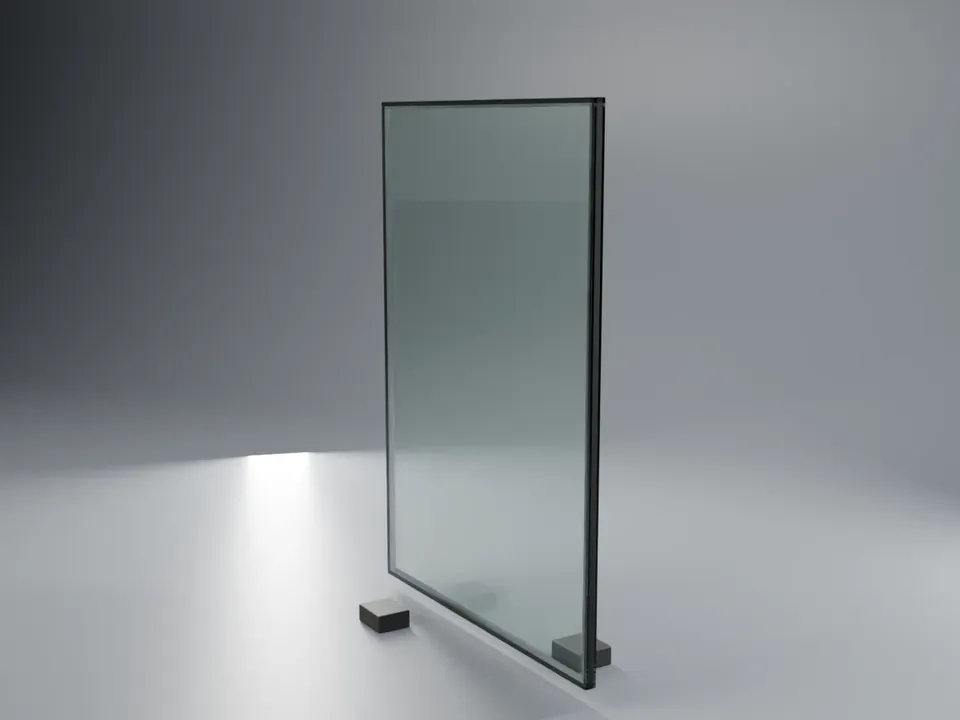
Product Overview
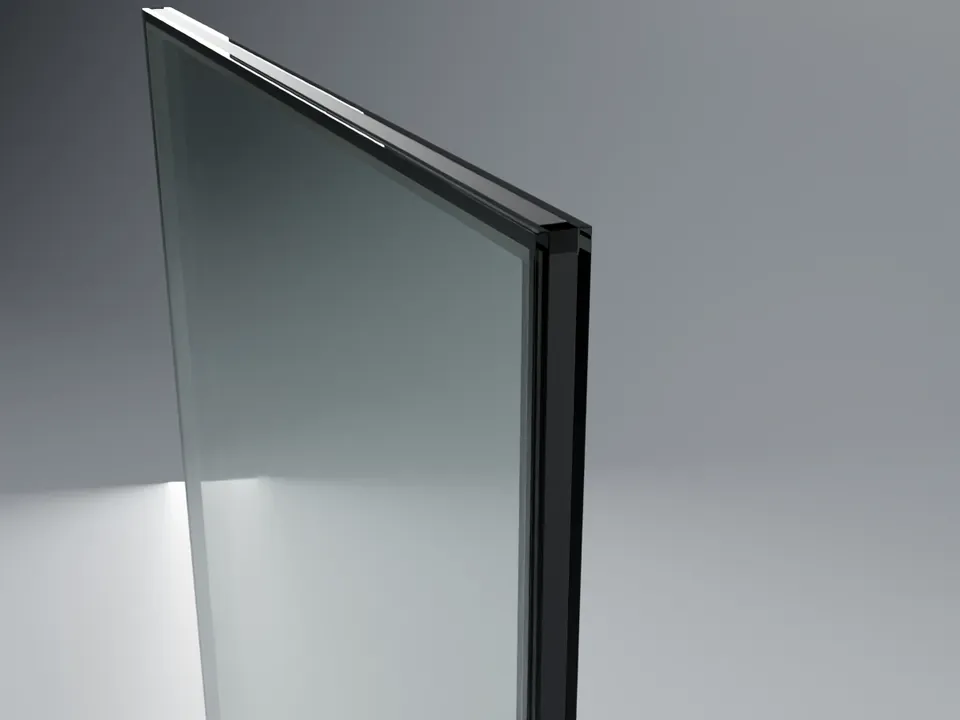
A DGU is an assembled component. The two panes are separated by a spacer bar fixed near the edges. A primary seal bonds the spacer to each pane, and a secondary seal fills the perimeter channel outside the spacer, holding the unit together and keeping moisture out of the cavity. The spacer usually contains a desiccant that absorbs moisture trapped in the cavity during assembly.
The cavity contains dry air or, where specified, an inert gas. Thermal and acoustic performance depend on the glass types, pane thicknesses, cavity width, cavity fill and any coatings. A DGU is therefore specified as a combination of components rather than as a single product.
Each pane can be a different glass type, for example toughened, laminated or tinted glass, to meet safety, security, acoustic or solar requirements.
How a DGU Is Made
General process
- Panes are cut and processed, including toughening where required
- Panes are washed
- The spacer frame is fitted between the panes
- The unit is pressed and sealed around the full perimeter
- The sealant cures before the unit is handled and dispatched
What RARA does
RARA supplies DGUs made to the dimensions and glass composition agreed for each project. Where a pane must be toughened, toughening is carried out before the unit is assembled. Confirm available configurations with our team.
Characteristics
- Thermal — Reduces heat transfer compared with a single pane. Actual performance depends on the configuration.
- Acoustic — Can reduce noise. Unequal pane thicknesses or a laminated pane are often used where noise is the main concern.
- Condensation — Reduces condensation on the room-side pane in many conditions.
- Weight and thickness — Thicker and heavier than single glazing; the frame or glazing system must accept the unit thickness.
- Edge seal — The seal must be protected by the frame or glazing system. A failed seal lets moisture into the cavity and causes internal misting.
- No site cutting — DGUs are made to size and cannot be cut or altered after assembly.
Applications
- Commercial windows and facades — Reducing heat transfer through large glazed areas.
- Residential windows — In UPVC and aluminium window systems.
- Hotels, offices and residences near traffic — Where noise reduction is a requirement.
- Skylights — Typically with a laminated inner pane for overhead safety.
Specification Considerations
Information to have ready when requesting a quotation:
- Overall unit dimensions, matched to the frame rebate
- Total unit thickness the frame system accepts
- Glass type and thickness of each pane
- Cavity width, and cavity fill where specified
- Safety glass requirement for either pane
- Shape: rectangular or non-rectangular
- Quantity and delivery sequence
Thermal and acoustic targets should be stated as requirements so the configuration can be discussed. Performance figures are not assumed without a defined configuration.
RARA Processing and Supply
RARA processing and installation relevant to DGUs:
- Toughening of component panes
- CNC glass cutting and edge processing
- Installation of glass facades, UPVC windows and aluminium windows
Related Products
- Tinted Glass — commonly used as the outer pane for solar control
- Laminated Glass — for an inner or outer pane needing retention or acoustic performance
- Toughened Glass — where a pane must be heat-treated
Product images on this page are computer-generated illustrations for reference. They are not photographs of RARA projects, facilities or installations.
Discuss Your Double Glazed Units (DGU) Requirement
Share your project dimensions, quantity and application requirements with our team. RARA can review the specification and discuss the appropriate glass solution.